


Welcome to the Good News in New England Newsletter, part of Granite Goodness. We share optimistic stories of progress, innovation, and problem solving from across New England— proudly hosted in the Granite State.
For more personal stories about progress and problem solving across NH and New England, check our podcast, Granite Goodness, available on Apple Podcasts, Spotify, Youtube, and everywhere else. If you have any story tips, questions, feedback, or just want to say hi you can write us at hello@granitegoodness.com.
Too many emails? Adjust your subscriber preferences here.
1 year ago, this project began focusing on New Hampshire. Today, it expands. For the full story behind this change, read our latest piece. For longtime subscribers, know that the Good News in NH Newsletter will continue— each of these newsletters has its own section of our site!
In this edition: New England towns go green with EV fleets, net-zero schools, and marsh restoration powered by bird backpacks. Vermont launches a weatherization workforce, while Maine and Rhode Island tackle housing with zoning reform and prefab ADUs. New England leads the nation in economic complexity, nonprofit news thrives in Maine, and $26M in USDA grants fuel stronger local food systems across the region.
Enjoy!
GRANITE GREENERY - Sustainability & Environment
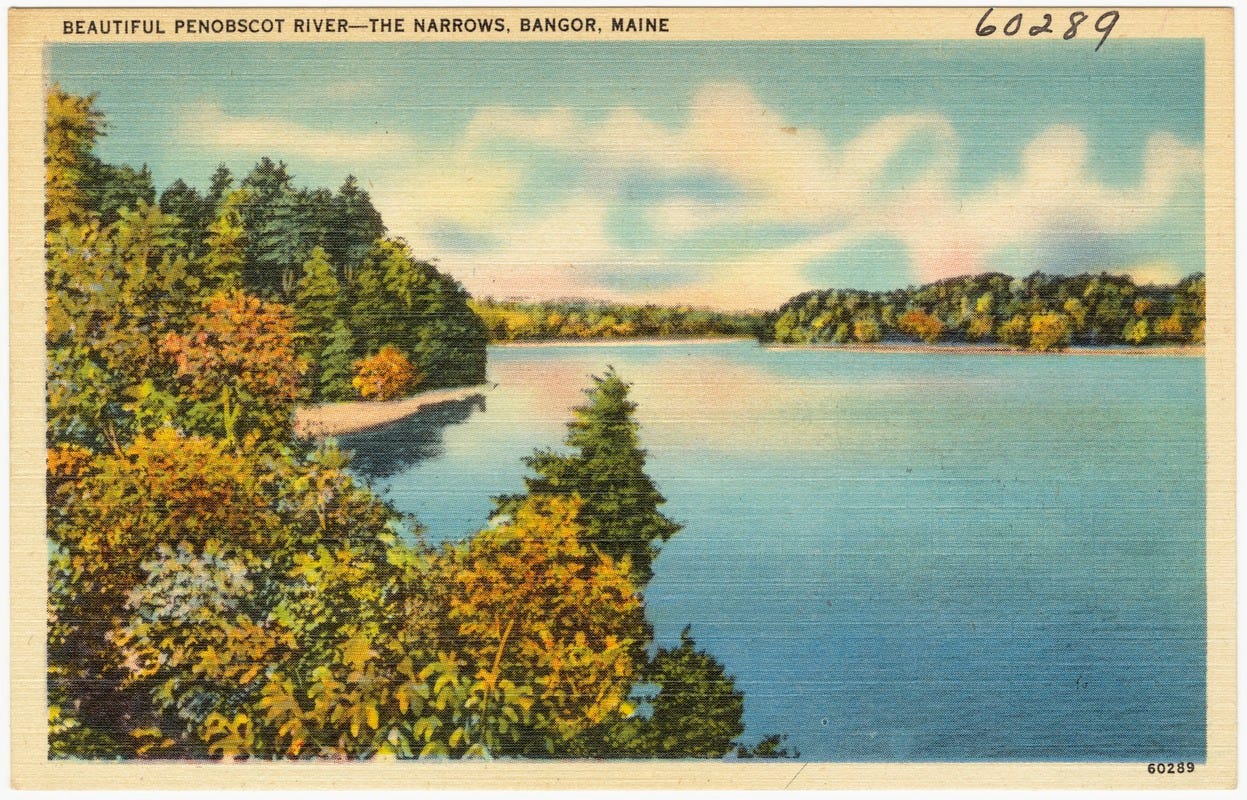
New weatherization center brings jobs and lower heating bills to Vermont
A new training center in Barre is helping Vermonters join the trades and cut energy costs. Funded by a $2 million federal grant, the VIEW center will train workers to weatherize homes—boosting job opportunities and helping families save up to 30% on heating bills. It’s a key step toward Vermont’s climate goals, with thousands of homes already upgraded and momentum growing statewide. - WCAX3
Massachusetts towns are quietly building the future—one solar panel, heat pump, and EV at a time
Watertown, Newton, and Williamstown are leading on local decarbonization with net-zero buildings, EV fleets, and clean energy upgrades—proving that with the right tools and support, climate action is already happening at the local level. - CommonWealth Beacon
Rhode Island launches major flood resilience plan for Wood-Pawcatuck Watershed
Rhode Island is developing a major plan to reduce flooding, protect ecosystems, and strengthen infrastructure in the Wood-Pawcatuck Watershed, which covers 25% of the state. The effort will help communities prepare for climate-driven storms while preserving farmland, forests, and wildlife. - USDA
NH Community Power rates adjust as local energy grows
Starting August 1, Community Power rates will rise slightly to 13.2–13.7¢/kWh—still below traditional utility hikes. Backed by strong local advocacy, customers avoid past utility charges, while new clean energy projects like a 5MW solar array in Warner move forward—powering 1,200 homes and advancing energy independence across New Hampshire. - Community Power Coalition of New Hampshire
Connecticut releases new wildlife conservation plan
Connecticut’s 2025 Wildlife Action Plan, developed with UConn scientists, identifies over 1,000 Species of Greatest Conservation Need and newly mapped Conservation Opportunity Areas to guide targeted habitat protection, restoration, and land-use planning. The plan integrates ecological and spatial data with stakeholder input to drive statewide, science-based conservation efforts. - University of Connecticut
GRANITE GRIT - Building & Infrastructure
Maine passes law easing zoning rules to boost housing
Maine lawmakers have approved new zoning reforms that reduce lot size requirements, allow more units per lot, and streamline local reviews in designated growth areas. The changes aim to lower construction costs, encourage multi-unit housing like triplexes and quadplexes, and make it easier for homeowners to add units. – Maine Public
Rhode Island startup offers prefab ADU plans to ease housing crisis
Dwelly, a Rhode Island–based startup, is offering high-performance, ready-to-permit accessory dwelling unit (ADU) designs to help homeowners add sustainable housing more easily. Their pre-approved plans are designed to meet local regulations, reduce construction costs, and speed up permitting. Backed by recent zoning reforms in Rhode Island and Massachusetts, Dwelly aims to expand access to small, efficient housing across New England. – Boston Globe
Federal funding boosts major upgrades at Bradley and Danbury airports
Bradley International and Danbury Municipal airports are receiving $8.7 million in federal funds to support terminal expansion and safety upgrades, marking a major step forward in modernizing Connecticut’s air travel infrastructure. - CT Insider
Vermont awarded $67.8M to rebuild stronger after 2023 floods
Vermont is receiving $67.8 million in federal disaster recovery funds to help communities bounce back stronger from the July 2023 floods. The investment will support long-term recovery, rebuild vital infrastructure, and restore housing—especially in the hardest-hit counties like Lamoille, Washington, and beyond. - Vermont Biz
GRANITE GROWTH - Economy & Workforce

New England leads the nation in economic complexity
New England is home to the most economically complex states in the country, according to MIT’s Observatory of Economic Complexity — a strong indicator of long-term economic resilience and innovation capacity.
New Hampshire now ranks #1 in the nation, driven by a diverse and interconnected economy. The state’s exports are packed with high-value products like aerospace components, precision machinery, and advanced manufacturing goods — many of which support major players like Boeing, Airbus, and SpaceX. This complexity signals not only current economic strength, but also a high potential for future growth.
Massachusetts, long a national leader in biotech, defense, and education, came in at #2, while Connecticut — with its robust aerospace and advanced manufacturing sectors — ranked #3. These rankings reflect the depth of New England’s knowledge economy and its global trade relationships.
Together, New Hampshire, Massachusetts, and Connecticut form a regional economic engine built on innovation, trade, and specialization — a model of how smaller states can lead through complexity, not just scale. - NH Business Review
UVM wins $1.2M grant to grow Vermont’s mental health workforce
A new $1.2 million federal grant will help the University of Vermont train more clinical psychologists to serve rural and underserved communities. The VT HEALS program will expand access to care, support the next generation of mental health leaders, and strengthen Vermont’s response to challenges like trauma and substance use—bringing hope and healing to more Vermonters. - Vermont Biz
UConn, URI create electric boat launch program for oceanic employment
UConn and URI have partnered with General Dynamics Electric Boat to launch ANCHOR, a five-year initiative to build a robust talent pipeline for the undersea technology sector. The program will expand STEM education, teacher training, and career pathways across southern New England—strengthening the region’s position as a global leader in advanced marine engineering and innovation. - University of Connecticut
GRANITE GADGETS - Science & Innovation
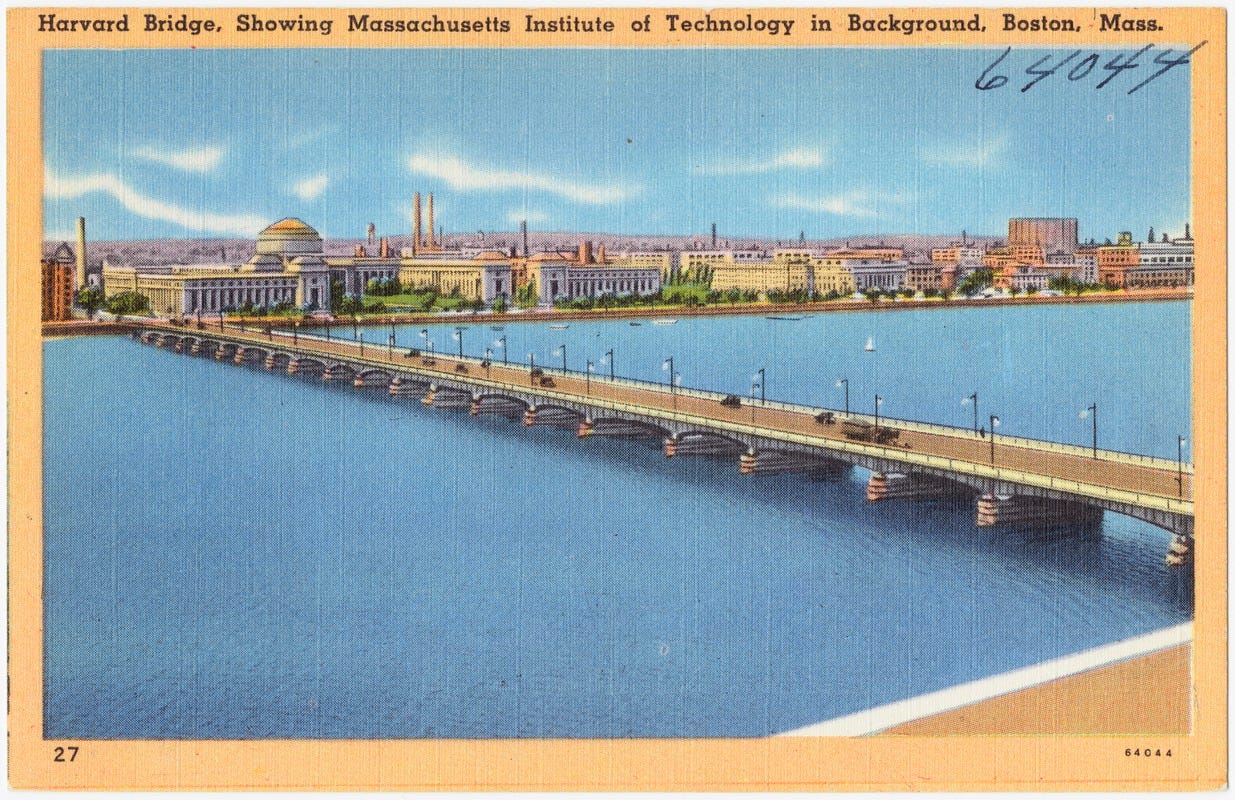
MIT spinout revolutionizes metal manufacturing with solid-state technology
Foundation Alloy, a startup founded by MIT alumni and faculty, is pioneering a new method of producing ultra-high-performance metal alloys without melting raw materials. Their solid-state metallurgy process enables faster, cheaper, and more precise development of advanced metals for aerospace, defense, energy, and industrial tooling. Backed by years of academic research, the company is already piloting parts for industries from automotive to nuclear fusion. – MIT News
UNH study finds New England farmers redefining success
A UNH study shows New England farmers are finding resilience beyond traditional food sales—embracing agritourism, off-farm income, and sustainability. With most earning under $25K annually, many prioritize well-being, land stewardship, and community over profit, pointing to a hopeful, adaptive future for local farms. - UNH Today
UConn research suggests more effective treatments for addiction recovery
A new UConn-led study finds that offering higher rewards through Contingency Management—a proven addiction recovery therapy—can help more people stay on track, especially in the early stages of recovery. With clear, evidence-based guidance on how much support makes a difference, the research offers a hopeful path forward to expand access to one of the most effective tools for treating addiction. - University of Connecticut
USDA grant helps Maine’s maple industry thrive in a changing climate
With maple seasons shifting, UMaine researchers are equipping producers with tools to adapt and succeed. Backed by a $481K USDA grant, the team is launching new training programs to boost forest health, improve sap yields, and build climate resilience—helping ensure Maine’s iconic maple industry remains strong for generations to come. - University of Maine
GRANITE GRATITUDE - Nonprofits & Public Sector
NH Gives raises $3.4 million for nearly 650 nonprofits in just 24 Hours
In a powerful show of community support, NH Gives raised over $3.4 million for nearly 650 nonprofits across New Hampshire during its 24-hour online giving event. Organized by the NH Center for Nonprofits, the annual effort has now raised more than $22 million since 2016—fueling local impact and strengthening the Granite State’s vibrant nonprofit sector. – Union Leader
Maine leads the way on nonprofit news
Maine is becoming a national model for nonprofit journalism, with most of its daily and weekly newspapers now under nonprofit ownership. From coastal towns to inland communities, a new wave of public-spirited media is filling coverage gaps, fostering collaboration, and keeping local stories alive. Maine’s experiment shows how civic-minded philanthropy, community support, and creative ownership models can reinvigorate local news in rural America—and point the way forward for the rest of the country. - Nieman Reports
USDA invests in local food resilience across New England
The USDA has opened three major grant programs to grow local food systems, improve infrastructure, and expand market access for farms, food hubs, and community partners. With over $26 million available, funding supports everything from farmers markets and CSAs to cold storage, value-added production, and regional food system coordination. Vermont businesses in towns under 5,000 may also qualify for free grant writing support through the REDI program. – Common Good Vermont
GRANITE GREATNESS: Human Interest & Our Favorite Stories
UNH is protecting New England’s salt marshes—one tiny bird backpack at a time.
As rising seas threaten coastal ecosystems, UNH researchers are fitting salt marsh sparrows with solar-powered backpacks to track how they move, nest, and thrive in healthy marshes. The data is helping guide smarter restoration across New England, ensuring stronger, more resilient marshes for both wildlife and the coastal communities that depend on them. - NHPR
That’s it for this edition of the Good News in New England Newsletter. This newsletter is free and shareable to anyone anywhere. We also post on Instagram, Linkedin, and Facebook.
If you are hungry for other stories of progress, innovation, and good news beyond the borders of Yankeedom, check out our friends at Fix the News or The Progress Network.
Thank you for reading!
-Andy